Home » Press Statement (Page 6)
Category Archives: Press Statement
News by Others »
-

“The work to combat female genital mutilation begins with trust”
-
Female genital mutilation driven by local customs in southern Iran – study
-
New Report finds Female Genital Mutilation/ Cutting in 94 countries
-
Medicalized Female Genital Mutilation: Faulty Policies, Unwilling Doctors, and Frightened Girls
-
“I lost my baby in front of my eyes”, FGM adds to the tragedies facing Yemeni women
-
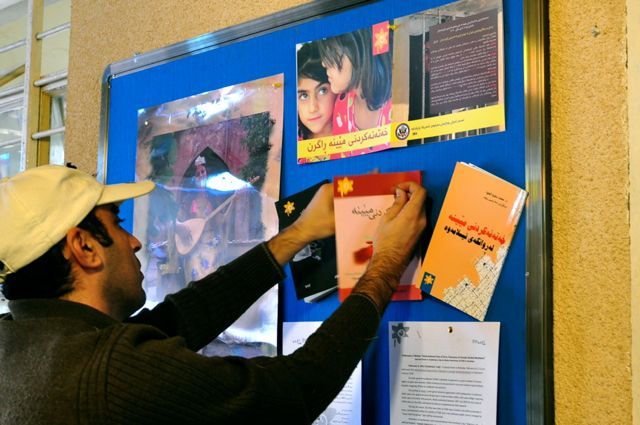
Countering Female Genital Mutilation (FGM) in Iraq
-
Promising developments in Sudan & the United Arab Emirates
Combating FGM in Kurdistan: Some Statements of the Activists
18.01.2015; By Haje Keli, Wadi As the activities of WADI against Female genital mutilation (FGM) in Iraqi Kurdistan enter another year in cooperation with local organizations and supported by UNICEF and HIVOS, a number of members of the various organizations collaborating on this effort have provided some feedback after about half a year of work […]
Yearly Report 2013-14
11.1.2015 by Stop FGM Middle East Stop FGM Middle East was founded as a website and a small research project in early 2013 with the aim of making the existence of FGM in the Middle East and Asia outside of Africa public. In August 2013 we started working with a small team to bring together […]
Orchid Project: FGC in Iraqi Kurdistan
22.12.2014. by Orchid. On November 13th 2014, the Kurdish and Middle Eastern Women Organisation (KMEWO) held an event to promote their campaign titled ‘The Campaign: Stop FGM in Iraqi Kurdistan’. The event was held in correspondence with their annual general meeting, as KMEWO sought to bring together an array of people to discuss FGC in […]
Iranian Film tackles Female Genital Mutilation
15.12.2014. By Stop FGM Middle East. The short film “Almond” tells the story of Awat a young Kurdish woman in Iran who is struggling with the consequences of female genital mutilation (FGM). When she has to marry, she stops talking entirely which soon becomes the main subject of the village talk. The director Mokhtar Masoumian […]
FGM in Iran: Blade of Islam or patriarchal custom – an interview with scholars, activists and survivors
4.12.2014. by Stop FGM Middle East. The Iranian “Radio Farda” aired a 30-minutes special on female genital mutilation (FGM) happening in Iran on November 25th. It is the first time, that a radio in Iran tackles this topic and the journalist Roja Karimi Majd does so with great insight and her interviewees answer in remarkable openness. […]
Kurdish FGM-Free Village invited to Talkshow
3.12.14. By Haje Keli. Kurdistan’s first FGM-free village as talk show guests on ‘Binewshe” (KurdSat TV) to discuss the village’s commitment to ending FGM. As a part of WADI’s Stop FGM campaign, the village of Tutaqal vowed to end FGM among their inhabitants. This week WADI was invited to appear on the very popular TV-show […]
Elimination of FGM in one generation possible – After 9 years campaigning 70% oppose practice in Iraqi Kurdistan
15.9,2014. By Stop FGM Middle East. Only ten years ago, female genital mutilation (FGM) in Iraq was a non-topic. Outside Iraq hardly anybody had heard of it, in the country itself it was well hidden within communities. Nine years ago, WADI started a comprehensive campaign against the practice in the Kurdish region of Iraq with […]
Popular Saudi Sheikh Alarefe warns of the way FGM is done
6.8.2014. By Stop FGM Middle East. Responding to a question by a caller on his Youtube program, the Saudi Sheikh Mohammad Al Arefe warned of female genital mutilation saying: “Today it’s chaos, women who do it are not experts and they ruin the girls’ vagina and impact her adult life… if we need to do […]
Iraqi Grand Ayatollah al-Sistani issues Fatwa against FGM
By Rayehe Mozafarian, 06.08.2014 In 2010, the sentences of Shi’ite religious leaders were collected and published in “Razor and Tradition” book. Gand Ayatollah Ali al-Husayni al-Sistani, the highest-ranking Shia (Marja’) in Iraq and the leader of the Hawza of Najaf said then: “Female Genital Cutting is not Haram” (Haram is used to refer to any act that is forbidden by Allah). In recent years, […]
Tackling FGM in Iran: Education about FGM during life skill classes for housewives
5.8.2014. By Osman Mahmoudi The Hamraz Consulting Center, Training Provider in Javanrood is offering classes for housewives to teach them life skills. During these classes Mahmoudi Osman manager of the center talked about physical, psychological and sexual symptoms of FGM. Increased knowledge and awareness about actions such as circumcision is helpful and beneficial in preventing […]
Donation
Last Press Statements »
-
Putting the spotlight back on FGM in the Middle East – Wadi at the Women Deliver Conference 2026
-
FGM in Iraq: More research needed after succesful campaign in Kurdistan led to ban of harmful practice
-
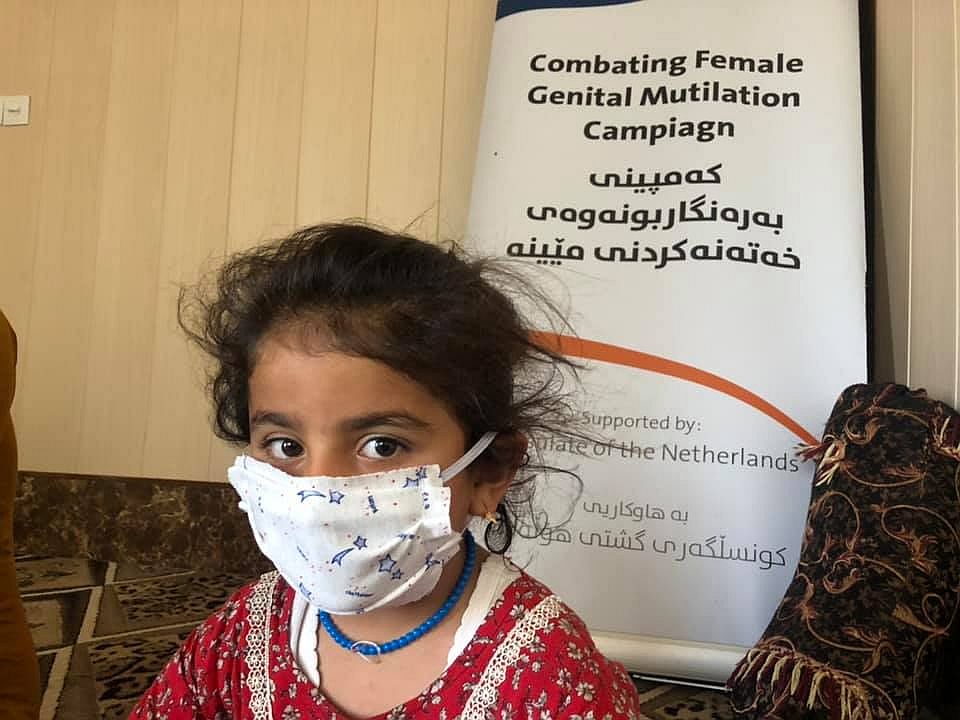
Conference on 6th of Feb: Long-term approach to eradicate FGM in Iraqi Kurdistan yields results
-
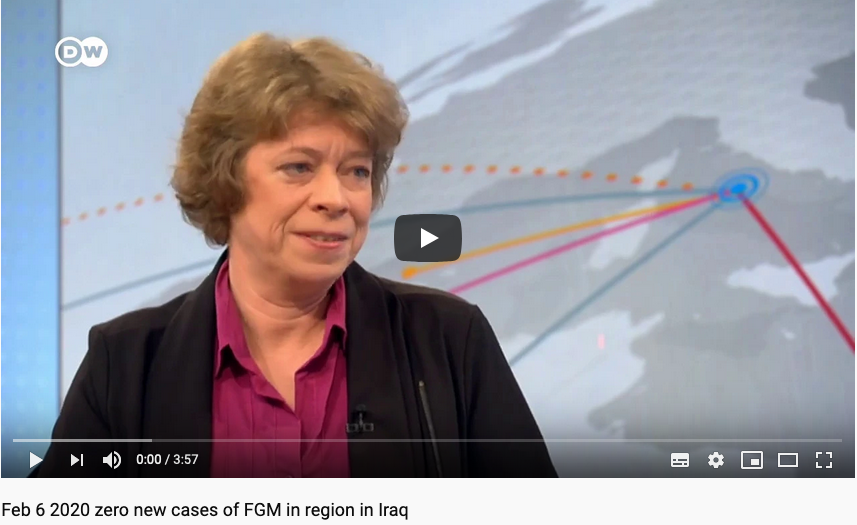
Feb 6: Wadi speaks on DW about what made success in Kurdistan possible
-
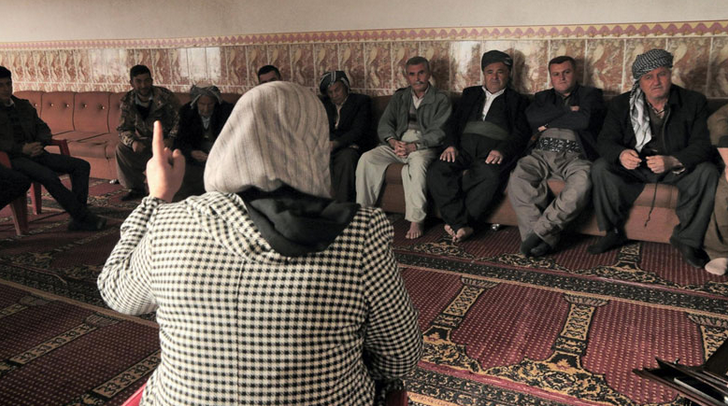
6th of Feb: WADI announces FGM has dropped to zero in highly effected region in Iraqi Kurdistan
-
Oman bans unexpectedly Female Genital Mutilation
-
Study finds: FGM is practiced by Saudi women