Home » Posts tagged 'female genital mutilation'
Tag Archives: female genital mutilation
Putting the spotlight back on FGM in the Middle East – Wadi at the Women Deliver Conference 2026
. A representative from Wadi joined the Women Deliver 2026 Conference in Australia to discuss the ongoing campaign against Female Genital Mutilation (FGM) in Iraqi-Kurdistan and the broader Middle East.
A few weeks ago, Wadi joined thousands of advocates in Melbourne, Australia for Women Deliver 2026. It was a week defined by global solidarity, but for us, it was also a vital opportunity to bring attention to the continued lack of visibility surrounding Female Genital Mutilation (FGM) in the Middle East—a region that remains frequently overlooked in global discourse. Our goal throughout the four-day event was to create dialogue with other experts, organizations, networks, and institutions – to move past misconceptions and focus on evidence-based solutions. We were able to share highlights of over 25 years of experience leading a successful project that has lowered FGM rates in Iraqi Kuridistan dramatically.
We also wanted to engage with other organisations working in similar contexts to gain insights on their good practices and approaches to ending the practice while also respecting the complex cultural and religious contexts of each region. Our goal was also to speak to the future and to highlight the challenge it is for us to work in these countries when institutional donors are not prioritizing this issue in the Middle East and Asia. We know through small activist or medical studies that so many areas are in urgent need of funding for research and advocacy efforts, but also in need of international support, and high level advocacy at the governmental level that small NGOs and CSOs cannot access.
Beyond the Spotlight: FGM in Under-Represented Regions
Our participation began April 26 with the all day pre-conference event, “United for Action: Global Solidarity to End FGM/C.” Isis Elgibali, who has been working to bring the forward the urgent need to spotlight FGM in the Middle East at a European and International level was honored to speak on a panel alongside Professor Angela Dawson and Sean Callaghan, moderated by Warda Warsame.
The core of Wadi’s message is urgent: We cannot end what we refuse to see.
Wadi started the END FGM Middle East and Asia Campaign in 2013 to change the narrative, collect data, and bring global attention to the reality, now in 2026 there has been some movement on the issue, but we are falling very far short of having real change, as there is almost no recognition of the reality. There are many countries where we have an idea, or there have been small scale activist research, or hospital led studies, but in general many governments prefer to minimize this topic, or a mild admission when activists make breakthrough studies, but then there is no country wide research, or national action plan.Certain countries have in the past 10 years updated their child protection laws, withough mention of FGM directly, instead using broad terms like ‘unnecessary harm’ leaving serious loopholes. Many of these communities are at the very beginning of their journey facing this complex topic. And some countries have really shown that they are willing to work on things, but if the pressure is not coming organically from within their societies then change will always be sort of half-hearted. Wadi stressed the need to support both financially and with technical knowledge the organic movements that exist in each affected country.

There continues to be in some Middle Eastern countries the narrative that FGM is often dismissed as an “immigrant problem”, an ‘imported practice’ labels. But the reality is that In the UAE: A 2011 survey found a 34% prevalence rate among Emirati women. While state hospitals have banned the practice, a lack of nationwide surveys and legal loopholes means the practice persists in private clinics, potentially turning the region into a “medicalization hub” for the diaspora. In Saudi Arabia & Kuwait: Despite long-standing denials, a 2019 study in Jeddah showed an 18% prevalence rate among local women. In Kuwait, small-scale studies from the mid 2010s have suggested rates as high as 38%, yet official action remains stagnant.
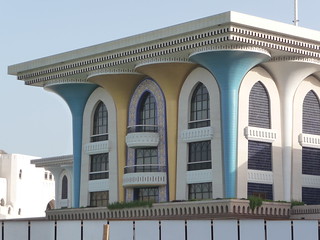
In Oman local activists have challenged for years the perception that FGM is rare in Oman, revealing prevalence rates between 78% and 95% in certain governorates like Dakhiliyah. Although the government clarified the 2014 Child Law in 2019 to prohibit the practice, the lack of recent, large-scale national data remains a primary hurdle in implementing these legal protections effectively.
In Iran activists continue to report that FGM is practiced in specific provinces, at great risk to their personal safety they continue to support awareness raising in those communities. In Iraq, while the Kurdistan Region (KRG) has made strides, recent shifts in personal status laws in central Iraq—including the legalization of child marriage by the parliment in Baghdad—represent a significant setback for the rights of women and children.
So these small examples spotlight the continued need for comprehensive data collection to pinpoint what is happening, where and to whom, as a very first step.
The Kurdistan Journey – A Potential Model
In a second panel moderated by Orchid Project, “Data Driven Change: Closing the Data Gap to End FGM in Asia,” Ms Elgibali had the opportunity to share Wadi’s long-term work in the Kurdistan Region of Iraq (KRG). The other panelists were Dr. Bodiroza UNFPA, Ms. Kamanga-Njikho UNICEF, Dr Pambudi Ministry of Health Malaysia, and Ms Cowan DFAT Australia.

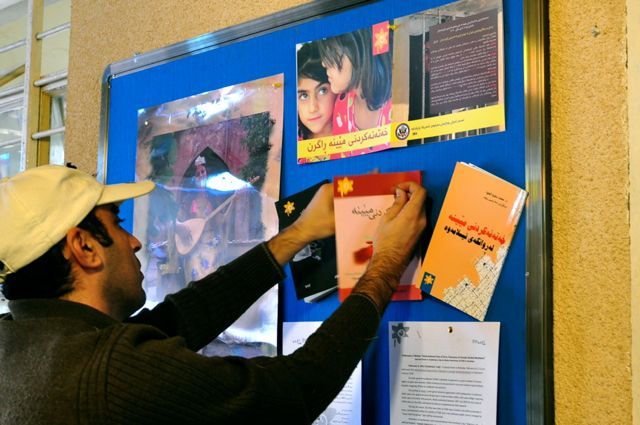
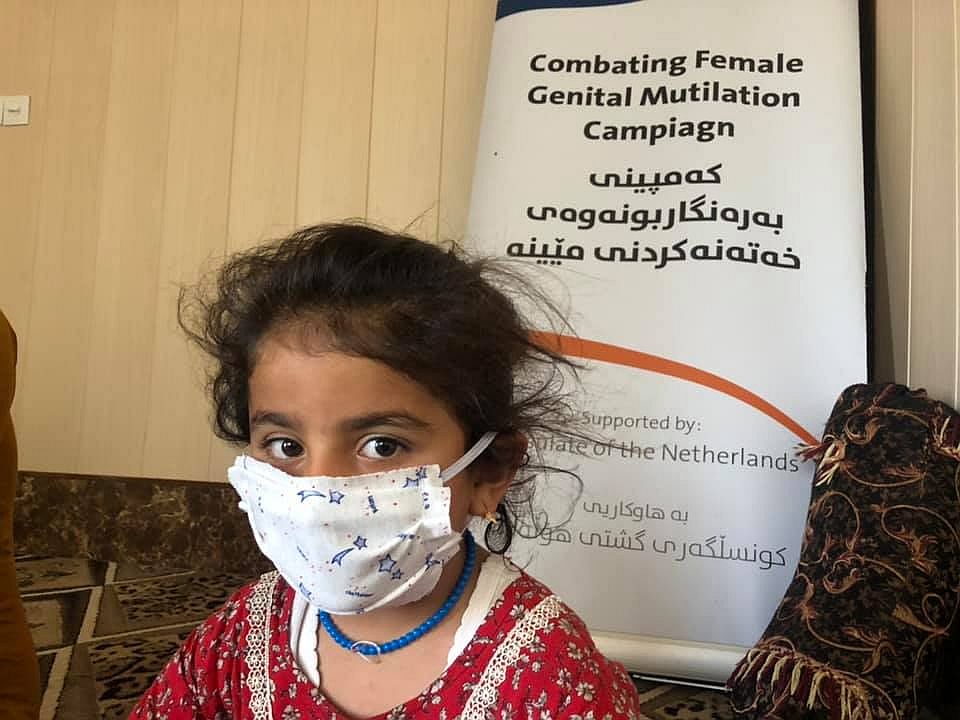
Wadi’s journey began in 2004, not by leading with FGM, but by providing literacy courses and basic medical information. By creating safe spaces for education, we built the trust necessary for women to begin sharing their personal experiences. This “bottom-up” approach allowed us to move from anecdotal evidence to systematic, periodic data collection, which led to enough social pressure to advocate for a law banning the practice, which the KRG parliament passed in 2011. For an in-depth look at our journey we ask you to read our booklet.
In the panel Wadi talked about the power of activist or local NGO or medical clinic based data collection, the impact of the bottom up approach, and the community ownership of the issue have been key tools in the success of our strategy. Change is much less effective when it is imposed in a ‘top-down’ approach, and while having a law banning the practice was essential, Wadi shared the impact of its non-punitive positive community based, long-term engagement and the success that it has brought in lowering the effective FGM rate in one generation, and that two regions are now declared ‘FGM Free’. Wadi wanted to emphasize the need for more cooperation in South-South cooperation and sharing of effective approaches, as well as the need to include religious clerics, and meet affected communities ‘where they are’ both physically as many women do not have the ability to travel freely, and in a cultural and religious context. Wadi also directly asked for UNICEF and UNFPA to continue supporting these efforts, and that they as international institutions advocate for the urgency of funding, support, resources, and provide advocacy at the government level for the Middle East region.
Building Global Bridges
Networking at Women Deliver was a meaningful experience that went beyond just exchanging cards; it’s about building a “South-South” cooperation that respects local contexts.
One of the most encouraging aspects of the event was the opportunity for “South-South” cooperation. Meeting with the Indonesian Women Ulama reinforced a key Wadi principle: we must work with religious communities, not against them. Acknowledging the complexity of religion and engaging with religious councils is the only way to reach those we wish to uplift. By speaking with clerics and community leaders with respect, we can foster a shared commitment to the health of girls. We agreed that the ongoing narrative in some academic western contexts that continue to say ‘religion plays no role’ is not particularly helpful neither in the Middle Eastern nor in the Asian context. While FGM is not in the Quran, we must engage with religious councils to address the clerics who support it. Respectful engagement—not alienation—is the only way forward.

We also looked toward the Asia Network as a potential blueprint for a future Middle East network. Their success in building multi-country cooperation over the last few years shows what is possible when we share resources and strategies. We hope to replicate their model to restart the STOP FGM Middle East Campaing and hopefully create a network within the next few years. The network in cooperation with Orchid Project pledged their support, as we work on this topic. A real positive step, and we look forward to working with and learning from one another.
Ms Elgibali with support from END FM EU also met with the Victoria Sexual Assault/Crimes Unit in Australia. Who expressed their interest in learning about which communities could be affected and they expressed their interest in training – or awareness sessions to better support Iranian and other Middle Eastern immigrant communities.
Looking Ahead
Our journey doesn’t end in Melbourne. One of the most significant outcomes of Women Deliver was the renewed synergy with partners like the Orchid Project. By joining forces and leveraging our collective expertise, we are energized to work toward a common goal: restarting the STOP FGM Middle East campaign.
We are leaving Australia with a clear vision—to turn these global connections into local action, restart our regional advocacy, and ensure that every girl is seen. This issue continues to struggle not just for international attention but also for financial support, you can support these efforts here.
Wadi’s participation in the Women Deliver 2026 Conference was supported by Orchid Project.
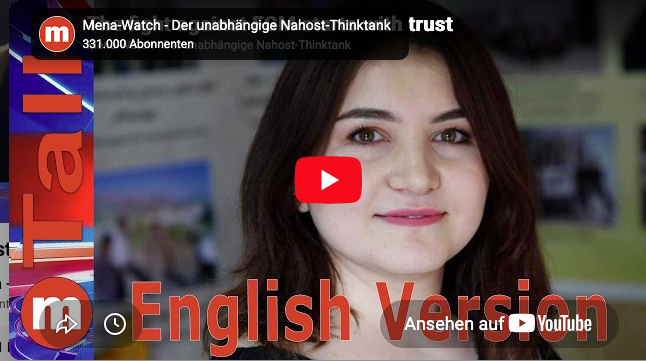
“The work to combat female genital mutilation begins with trust”
16.5.2026
Shokh Mohammad from Wadi e. V. talks about her work in the Kurdistan Region of Iraq and the fight against female genital mutilation.
By Jasmin Arémi, Mena-Watch
In the Autonomous Region of Kurdistan in Iraq, the practice of female genital mutilation (FGM) remains a reality. Although the figures are falling – partly due to legislation passed and a social attitude that is slowly changing – FGM nevertheless remains part of a social system deeply rooted in family, religious and cultural structures. Raising awareness about FGM and talking about it therefore means more than just discussing violence against women’s bodies. It is also about community, control, shame and the fear of social exclusion.
Shokh Mohammad knows these dynamics all too well. “My name is Shokh Mohammad, I am 31 years old,” she says at the start of the conversation. She has been working for Wadi e. V. since 2015, a German-Iraqi organisation that has been active in northern Iraq since 1993. The focus was initially on humanitarian aid, development work and support for women and children in crisis regions.
Religious and social pressure
The issue of FGM arose from an observation that initially seemed insignificant. In the rural areas of the Kurdish Autonomous Region, many girls were missing from nursery schools. Research eventually revealed that these girls were being prepared for the practice of FGM.
The NGO’s initial investigations revealed just how deeply the practice was embedded in society. In some villages, almost all girls were affected. In the Garmian region (in the south-east of the Kurdish Autonomous Region), the rate was as high as 80 per cent. Later, the Ministry of Health of the Kurdistan Autonomous Region also confirmed a prevalence of 42 per cent, although this figure is likely to be an underestimate. This is because FGM is traditionally not discussed, and the procedures take place in secret.
The procedure usually takes place within the context of close family and social ties and is closely linked to local social pressure. The fact that it can be discussed publicly at all today is the result of years of political work. Wadi raised awareness of the issue, collected data, organised campaigns and increased pressure on policymakers. In 2011, FGM was finally banned by law. At the same time, the practice continues, particularly in remote rural areas.
FGM encompasses various forms of female genital mutilation. The World Health Organisation distinguishes between four types. These range from the partial or complete removal of the clitoris and clitoral hood, to procedures involving the labia minora, to the narrowing of the vaginal opening or other harmful and injurious practices. In the areas studied, types I and II are particularly prevalent.

The procedures are often downplayed, even though the health consequences are serious. They lead to bleeding, infections, chronic pain and complications during childbirth. The psychological consequences are equally profound, often resulting in severe trauma. Particularly destructive is the damage to trust in those closest to the victim – mothers, grandmothers or aunts – who usually accompany this violence and initiate it themselves. The injury thus becomes part of family normality. Many victims therefore suffer from anxiety and trauma. Their own bodies become a place of remembrance for an experience that is never fully resolved.
The reasons behind the practice are complex and, at the same time, contradictory. Religious beliefs play a part, as do traditional notions of purity and patriarchal control mechanisms. Above all, however, there is social pressure within communities where FGM is still regarded as a prerequisite for social acceptance. Consequently, it is often not individual conviction that is the primary factor, but the fear of being excluded.
Tangible change
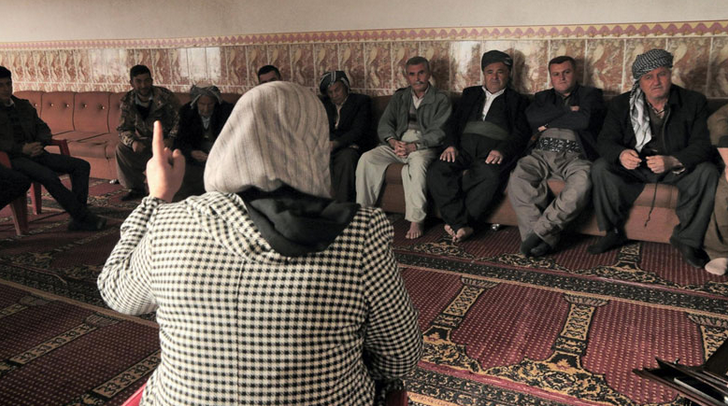
And yet, things are changing. Younger women in particular are increasingly rejecting the practice, not least because many have experienced it themselves and are aware of the consequences. This generational shift in experience is central to Wadi’s work. The organisation focuses on long-term education, dialogue and a presence within the communities. Social workers and lawyers regularly travel to rural areas to discuss health risks, legal consequences and women’s rights. This is not just about the practice of FGM itself, but about a broader understanding of violence and self-determination.
The so-called ‘FGM-free villages’ represent a significant success. Following intensive collaboration, twelve communities have publicly committed to abandoning the practice – and have made this commitment visible. This process was only made possible through months of trust-building. Shokh describes how this change is having an impact using a remarkably simple mechanism of social dynamics: » When some communities saw that their neighbouring villages had discussed the issue and that there were no further problems, they contacted us again.” When it becomes clear that change is possible without destroying social cohesion, things begin to shift.
The organisation therefore also works with religious authorities and state institutions, seeking to secure clear stances against FGM. This includes the Ministry of Religious Affairs as well as local authorities. At the same time, international support remains crucial at the political, financial and public levels. Today, the programme is entering a new phase. Whilst prevention and awareness-raising are showing initial success, the focus is increasingly shifting towards supporting affected women. This is because many live with long-term physical and psychological consequences and require medical and psychosocial support.
First published on Mena-Watch
Oman bans unexpectedly Female Genital Mutilation
30.9.2019. Two weeks ago, the Omani Ministry of Social Affairs und Development announced a change in the law protecting children. Now, the convention of the child includes a specific prohibition of female genital mutilation (FGM). This change in law came as a surprise to most observers. (more…)
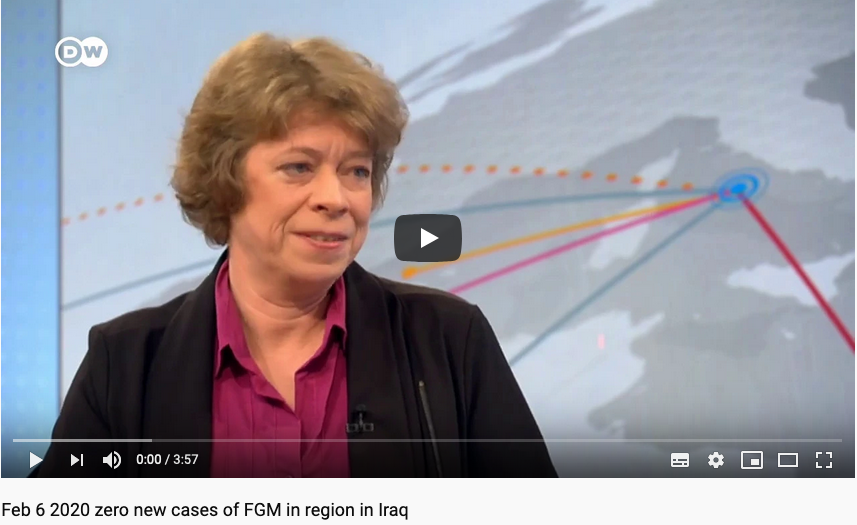
Wadi talks on Deutsche Welle about FGM in Asia
27.8.2018 The German women’s rights organization Terre des Femmes just came out with new figures about female genital mutilation (FGM): More than 65.000 women and girls are cut in Germany, 12 percent more than the last estimate. This rise is mainly due to an influx of refugees from Somalia, Eritrea and Iraq in recent years. Deutsche Welle TV spoke with WADI on the news in it’s English and German program about FGM in Iraq and Asia. 
New Study: Almost 100 percent women mutilated in region of Oman – Time to act!
23.8.2018. The newest survey on female genital mutilation (FGM) in Oman bears shocking results: 95,5 percent of women reported to be mutilated. For the survey 200 women of different ages and educational backgrounds were interviewed in the governorate of Dakhiliyah during the last three months of 2017. (more…)
Day of Zero Tolerance to FGM: Progress in Asia
Press release by WADI / Stop FGM Middle East & Asia
February 6th 2017. On the seventh official International Day of Zero Tolerance to female genital mutilation (FGM), it has been 13 years, that WADI first brought the issue FGM happening in Asia, in this case Iraq, to the international agenda. In this last decade WADI’s campaign against FGM in Iraq has yielded great success as a recent study by the Heartland Alliance in cooperation with Unicef and the High Council of Women Affairs shows. The rates of FGM in Northern Iraq have decreased dramatically when comparing mothers and daughters. Among mothers surveyed 44,8% reported to be cut compared to 10,7% of their daughters. The success of a comprehensive campaign becomes even more evident when looking at the figures of regions where WADI’s campaign started and has been going on since more than ten years: In the region of Halabja only 1.1% of daughters are cut today in comparison to 40% of mothers. (more…)
Heartland study shows steep decline of FGM rates in Iraqi Kurdistan
10.1.2017. By Stop FGM Middle East.
A study by the Heartland Alliance in cooperation with Unicef and the High Council of Women Affairs shows a dramatic decrease in rates of female genital mutilation (FGM) in Northern Iraq when comparing mothers and daughters. Among mothers surveyed 44,8% reported to be cut compared to 10,7% of their daughters. Results also show a direct link between campaigning and decline of rates. Religion remains a major factor among those who continue the procedure on their children.
Survey: Majority of religious leaders pro FGM in Kermansheh, Iran
11.8.2016. By Stop FGM Middle East. A recent survey among Sunni religous scholars in the Iranian province of Kermansheh shows that a majority of them (67%) believe that “female circumcision” is religiously obligatory or at least recommended for girls and women. In this province in the West of Iran, female genital mutilation (FGM) is practiced by Sunni Kurds who adhere to the Shafi’i law school. Many of them believe that Islam commands them to have their girls cut. (more…)
How a religious ruling seems to have stopped FGM in the 1950s in Ahwaz, Iran
9.8.2016 By Stop FGM Middle East. Two new studies shed more light on the practice of Female Genital Mutilation (FGM) in the Middle East. For the first time, a study explores whether FGM is practiced in Syria – and comes to the conclusion that no evidence of its existence can be found.
Another study explores the history of FGM in the region of Ahwaz in the South-Western Iranian state of Khuzestan. Through talking to older women the PhD-student Susie Latham found that FGM was common in this region but has been abandoned completely without any official program in place. Furthermore, she found that it was first replaced by a milder form before the practice was stopped entirely.
+972: How Arab women fought female genital mutilation in Israel
28.2.2016. Just 20 years ago, female genital mutilation was an accepted practice in six Bedouin tribes in southern Israel. Jewish researchers couldn’t figure out why the practice disappeared — because they didn’t talk to the Arab women’s group fighting it.
By Eli Aminov on Blog +972
Half a century ago, one didn’t need to go all the way to Kenya to research the phenomenon of Female Genital Mutilation (FGM): you could do so in Israel. The practice was common among some of the Bedouin population in the Negev, and this was 40 years after the majority became Israeli citizens. (more…)