Home » News (Page 16)
Category Archives: News
News by Others »
-

“The work to combat female genital mutilation begins with trust”
-
Female genital mutilation driven by local customs in southern Iran – study
-
New Report finds Female Genital Mutilation/ Cutting in 94 countries
-
Medicalized Female Genital Mutilation: Faulty Policies, Unwilling Doctors, and Frightened Girls
-
“I lost my baby in front of my eyes”, FGM adds to the tragedies facing Yemeni women
-
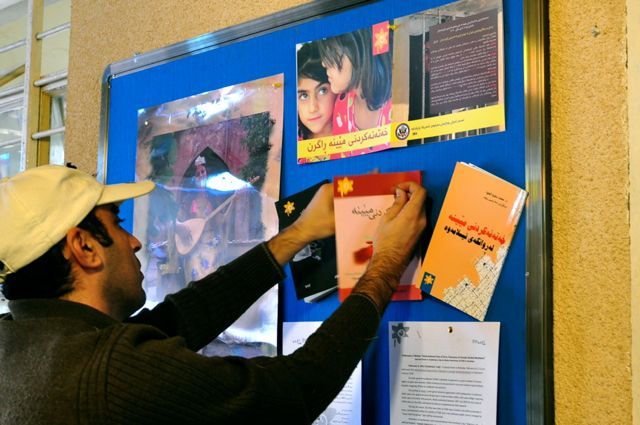
Countering Female Genital Mutilation (FGM) in Iraq
-
Promising developments in Sudan & the United Arab Emirates
Maledives: Cleric says FGM required by Islam
10.2.2014. Minivan News recently reported that Mohamed Iyaz Abdul Latheef, Vice President of the Maldives Fiqh Academy, believes female circumcision is obligatory in Islam. “The Prophet (PBUH) said: ‘Five things are part of the fitrah [nature] – circumcision, shaving the pubes, trimming the moustache, cutting the nails and plucking the armpit hairs.’ The circumcision in […]
Joint forces against FGM in Asia and the Middle East
11.2.2014. By Stop FGM Middle East This year’s statements on Febuary 6th, the Day of Zero Tolerance to FGM, differed positivly from previous years. Several organizations and state agencies acknowledged that female genital mutilation exists in Asia. USAID mentioned in their statement besides Indonesia, Malaysia, Iraq also the new evidence found in the Gulf States. […]
Feb 6th: Many media reports on our work and FGM in Asia
7.2.2014. by Stop FGM Middle East On February 6th, the eleventh international Day of Zero Tolerance to Female Genital Mutilation, a number of media outlets have picked up on the topic of Female Genital Mutilation in Asia. Many non-governmental und international organizations tackling FGM, including the World Health Organization, still don’t mention the existence of […]
Indonesia: Fighting Female Genital Mutilation
CNN, 6.2.2014. Many Indonesian Muslims carry out the procedure of FGM as part of their religion without questioning. Yet, there are some Muslims who take a stand against FGM in Indonesia. CNN made a short documentary about FGM in Indonesia. Watch here
The Deepest Cut
Y-Magazin, Oman, 5.2.2014. It’s a practice that is banned in Oman’s hospitals, yet female circumcision is being carried out on babies and young girls across the Sultanate. Y investigates. Report by Kate Ginn The painful memories are buried deep but not forgotten. Muna remembers the voice of her mother calling her. “She was saying ‘I’ll […]
Eminent Saudi Cleric: Female Genital Mutilation a ‘Noble Act’
4.2.2014. Sheikh Mohamad Alarefe recently tweeted his sentiments favoring mutilating women to close to 8 million of his followers on Twitter. Sheikh Mohamad Alarefe is a popular Saudi Arabian Islamic theologian and a professor at the King Saud University. A recent “tweet” to his almost 8 million followers on his Twitter account stated: “Circumcision [FGM] is […]
Day of Zero Tolerance to Female Genital Mutilation; Action in Asia is needed
By HIVOS and WADI; The Hague, Suleimania, 5 February, 2014. On the fourth official International Day of Zero Tolerance to Female genital mutilation (FGM), the practice is far from being eradicated. While the numbers of mutilated girls are decreasing in Africa after decades of concerted efforts, large regions where FGM is practiced are entirely […]
In Oman more than 80% of women could be mutilated – Results of a two-week field trip
Stop FGM Middle East, 3.2.2014. By Hannah Wettig Oman is not on the map of countries where female genital mutilation is practiced. Neither the United Nations nor international NGOs have taken notice of FGM in the Gulf region – except Yemen. Yet, there are quite a number of reports about its existence in Oman and […]
Australian girl circumcised in Indonesia
ninemsn, 28.1.2014. An Australian father charged with organising to have his baby daughter circumcised allegedly travelled to Indonesia for the procedure. The man from New South Wales, who cannot be named, took his then nine-month-old girl overseas, where she was circumcised sometime between February and March of 2012, police allege. But it wasn’t until the […]
New study in Oman shows high prevalance of FGM all over the Country
By Stop FGM Middle East. 22.1.2014. According to a new study from Oman, female genital mutilation constitutes a widespread phenomenon in Oman in all age groups, and among women from all regional and educational backgrounds. Out of 100 women questioned 78 stated to be “circumcised” (they were asekd if had undergone “khatana al banat”). The […]
Donation
Last Press Statements »
-
Putting the spotlight back on FGM in the Middle East – Wadi at the Women Deliver Conference 2026
-
FGM in Iraq: More research needed after succesful campaign in Kurdistan led to ban of harmful practice
-
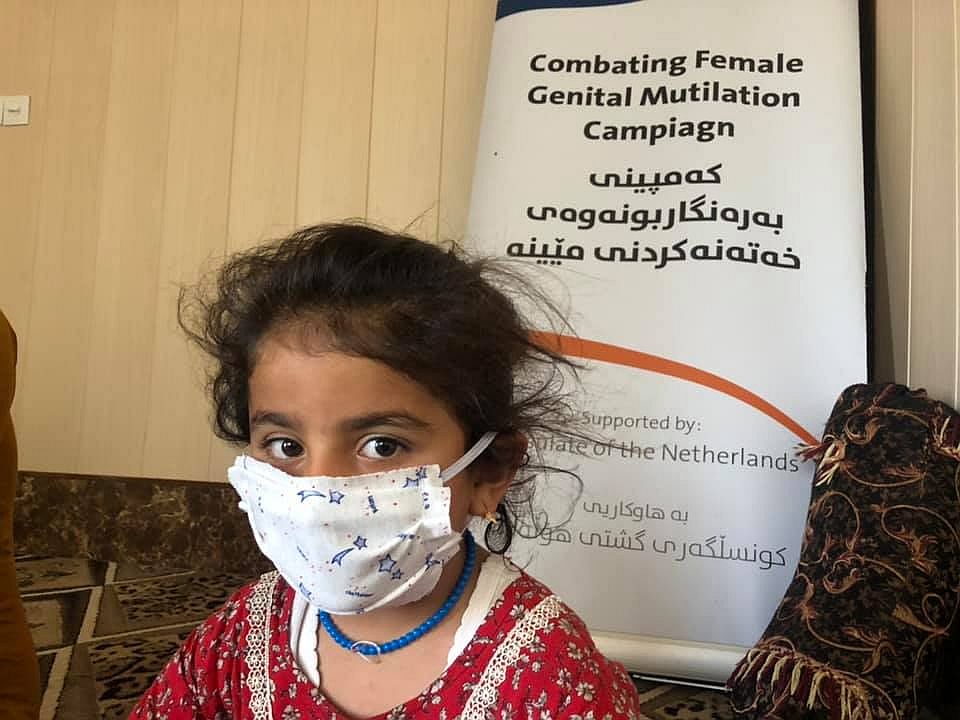
Conference on 6th of Feb: Long-term approach to eradicate FGM in Iraqi Kurdistan yields results
-
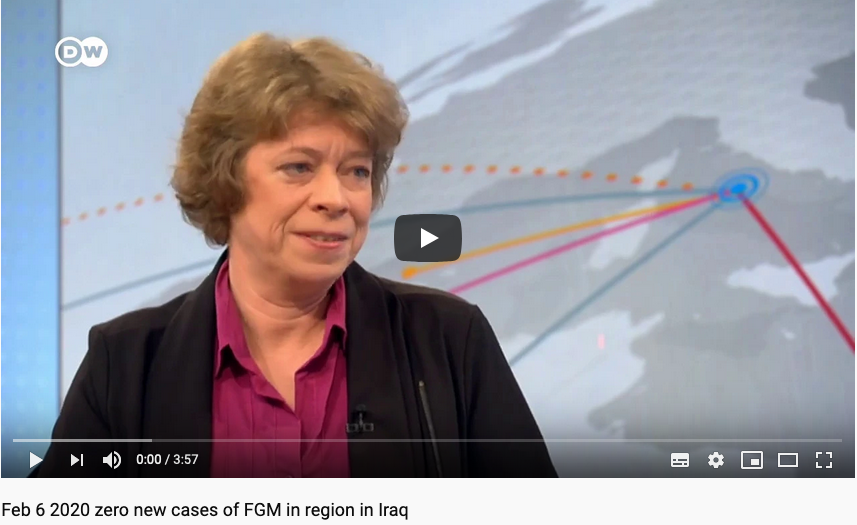
Feb 6: Wadi speaks on DW about what made success in Kurdistan possible
-
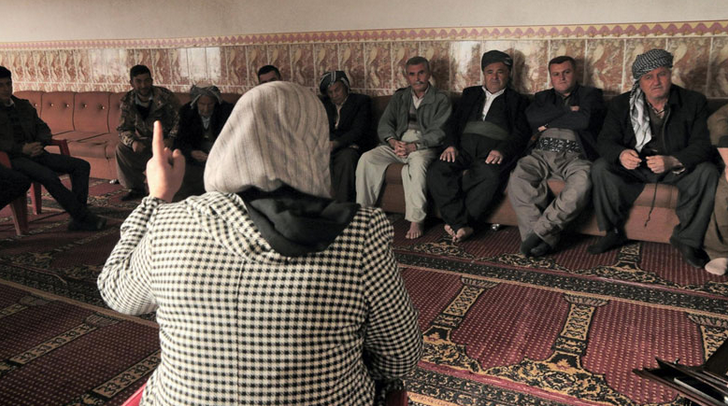
6th of Feb: WADI announces FGM has dropped to zero in highly effected region in Iraqi Kurdistan
-

Oman bans unexpectedly Female Genital Mutilation
-
Study finds: FGM is practiced by Saudi women