Home » Posts tagged 'Iran' (Page 4)
Tag Archives: Iran
News by Others »
-

“The work to combat female genital mutilation begins with trust”
-
Female genital mutilation driven by local customs in southern Iran – study
-
New Report finds Female Genital Mutilation/ Cutting in 94 countries
-
Medicalized Female Genital Mutilation: Faulty Policies, Unwilling Doctors, and Frightened Girls
-
“I lost my baby in front of my eyes”, FGM adds to the tragedies facing Yemeni women
-
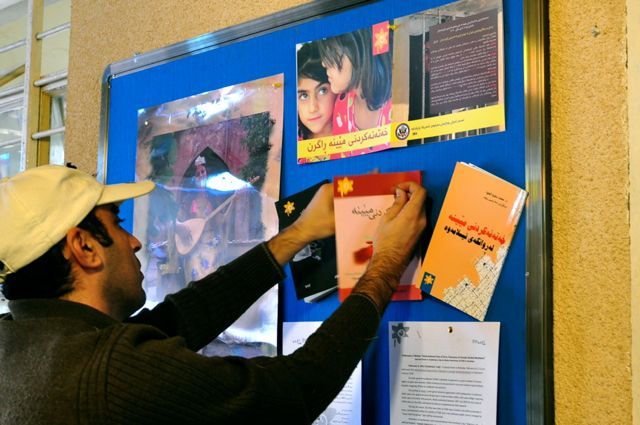
Countering Female Genital Mutilation (FGM) in Iraq
-
Promising developments in Sudan & the United Arab Emirates
Second Middle East & Asia Conference on FGM shows that new strategies are needed
16.5.2014. By Stop FGM Middle East. On May 7th to 10th the Second Middle East & Asia Conference on Female Genital Mutilation (FGM) was held in Istanbul where more than thirty activists and researchers from Iraq, Egypt, Iran, Oman, Saudi Arabia, Malaysia, Indonesia and India met as well as representatives from UNICEF Iraq, Orchid Project (England) […]
Second Middle East Conference on FGM to tackle myths
Berlin, 30.4.2014. By WADI. The Second Middle East & Asia Conference on Female Genital Mutilation (FGM) by WADI and Hivos will take place from May 7th to May 10th in Istanbul. The conference will tackle two myths about Female Genital Mutilation. It is commonly believed that FGM is mainly practiced in Africa and that it […]
Female Genital Mutilation in Iran: Prohibited but not persecuted
4.3.2014. The gender researcher Rayeheh Mozafarian has tackled the issue of female genital mutilation (FGM) in Iran in a new scientific study. Sie demands an open discussion about the problem to stop the practice. Rayeyeh Mozafarian who is working at the University of Schiraz conducted interviews about FGM in several Iranian provinces between 2007 and […]
Day of Zero Tolerance to Female Genital Mutilation; Action in Asia is needed
By HIVOS and WADI; The Hague, Suleimania, 5 February, 2014. On the fourth official International Day of Zero Tolerance to Female genital mutilation (FGM), the practice is far from being eradicated. While the numbers of mutilated girls are decreasing in Africa after decades of concerted efforts, large regions where FGM is practiced are entirely […]
The Lancet: FGM in the Middle East
13.12.2013. The renown science magazine “The Lancet” acknowledges on its editor’s page that FGM exists beyond Africa. Under the title “Female genital mutilation in the Middle East” Farrokh Habibzadeh affirms: “FGM is mainly practised in Africa but is also done in other regions. For example, the prevalence of this procedure is very high in Iraqi […]
Donation
Last Press Statements »
-
Putting the spotlight back on FGM in the Middle East – Wadi at the Women Deliver Conference 2026
-
FGM in Iraq: More research needed after succesful campaign in Kurdistan led to ban of harmful practice
-
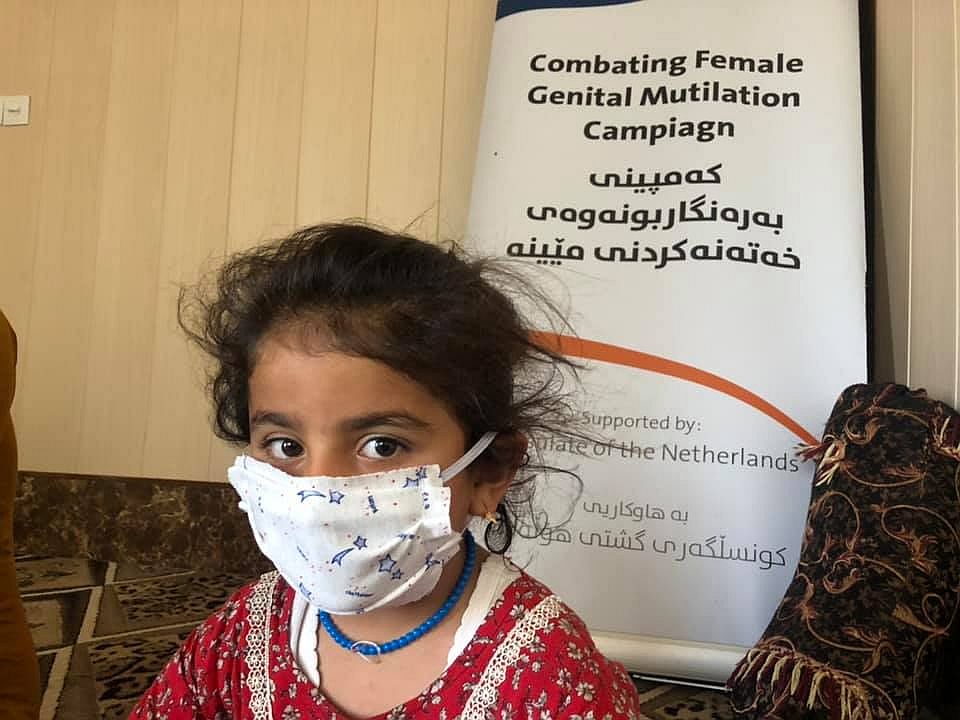
Conference on 6th of Feb: Long-term approach to eradicate FGM in Iraqi Kurdistan yields results
-
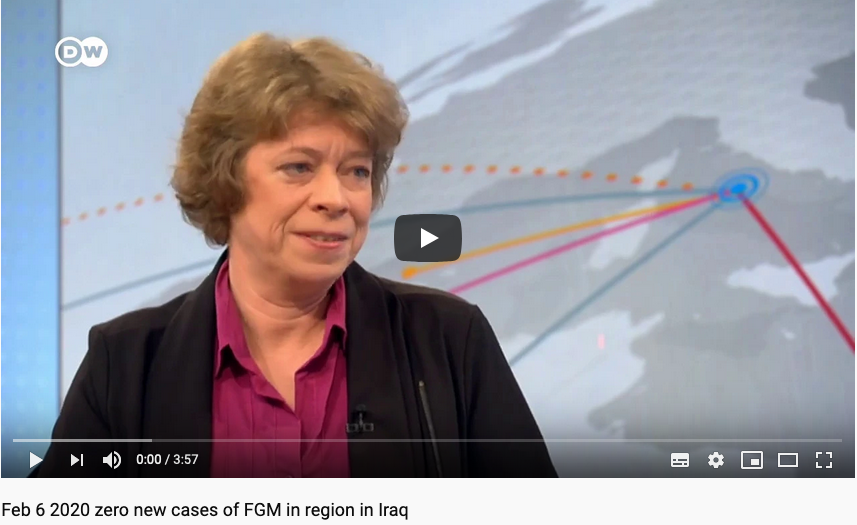
Feb 6: Wadi speaks on DW about what made success in Kurdistan possible
-
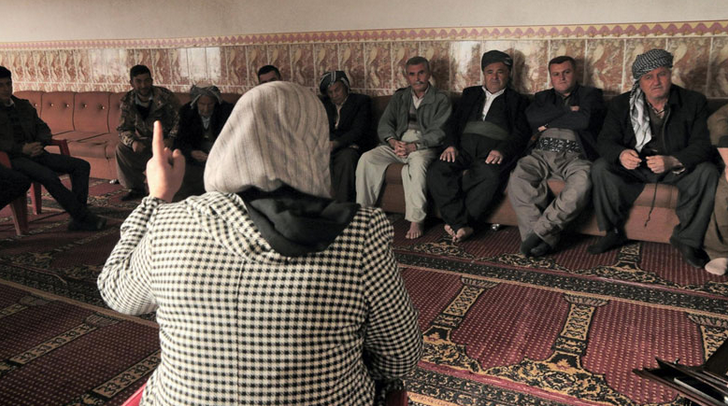
6th of Feb: WADI announces FGM has dropped to zero in highly effected region in Iraqi Kurdistan
-
Oman bans unexpectedly Female Genital Mutilation
-
Study finds: FGM is practiced by Saudi women