Home » Posts tagged 'Iraqi Kurdistan'
Tag Archives: Iraqi Kurdistan
News by Others »
-

“The work to combat female genital mutilation begins with trust”
-
Female genital mutilation driven by local customs in southern Iran – study
-
New Report finds Female Genital Mutilation/ Cutting in 94 countries
-
Medicalized Female Genital Mutilation: Faulty Policies, Unwilling Doctors, and Frightened Girls
-
“I lost my baby in front of my eyes”, FGM adds to the tragedies facing Yemeni women
-
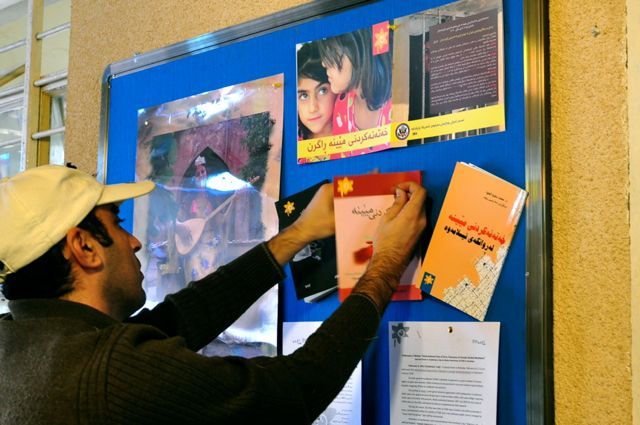
Countering Female Genital Mutilation (FGM) in Iraq
-
Promising developments in Sudan & the United Arab Emirates
Press Statement: FGM in Iran needs to be put on international agenda
9.6.2015. By Stop FGM Middle East. Female genital mutilation (FGM) is practiced in Iran as well as in many other countries not on the list of Unicef highlighting 29 countries in Africa and the Middle East. Now, finally this fact is widely recognized and published in international media after the social anthropologist Kameel Ahmady released […]
Campaign in Iraqi Kurdistan: Paying a visit to a Mullah who promoted FGM
20.5.2015. By Stop FGM Middle East. The shock was great when the Iraqi Kurdish Xelk Media Network reported about a Kurdish Mullah promoting female genital mutilation (FGM) on May 8th. Not only did Mullah Ali Kalak stress that Islam allows “female circumcision” but he demanded it to be done for the wellbeing of girls, claiming […]
Video-Clip: At the mosque
By Stop FGM Middle East. 4.2.2015. Religious beliefs play an important role in the battle against Female genital mutilation (FGM). Clerics are part of the large-scale campaign against FGM in Iraqi Kurdistan. In this video-clip an Imam explains why FGM is not in accordance with Islam. It is one of four vidoe-clips shown regularly on […]
Video-Clip: At the doctor’s office
By Stop FGM Middle East. 4.2.2015. In the Iraqi Kurdish region a law against FGM is in place and all TV and radio-channels are airing information about FGM. This is part of a large-scale campaign against Female Genital Mutilation which is run by WADI and Unicef. Politicians, doctors, clerics, policemen and the media are supporting […]
Video-Clip against FGM: Mobile teams stop the practice
By Stop FGM Middle East. 4.2.2015. In this video-clip one of WADI and Unicef’s mobile teams arrives at a remote village. These mobile teams visit the Kurdish villages regularly educating about FGM and the law against domestic violence, but also discussing daily issues and needs of the population trying to find solutions. In the Iraqi […]
Donation
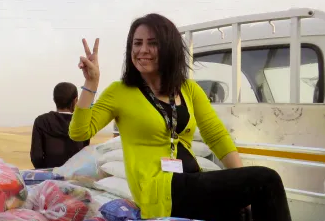
Last Press Statements »
-
Putting the spotlight back on FGM in the Middle East – Wadi at the Women Deliver Conference 2026
-
FGM in Iraq: More research needed after succesful campaign in Kurdistan led to ban of harmful practice
-
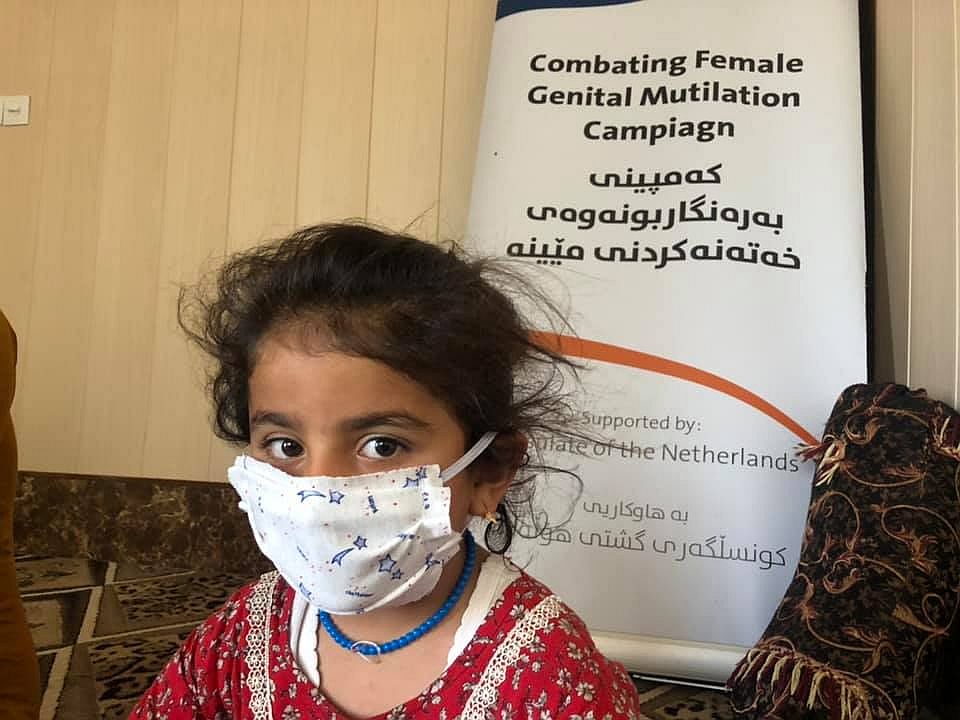
Conference on 6th of Feb: Long-term approach to eradicate FGM in Iraqi Kurdistan yields results
-
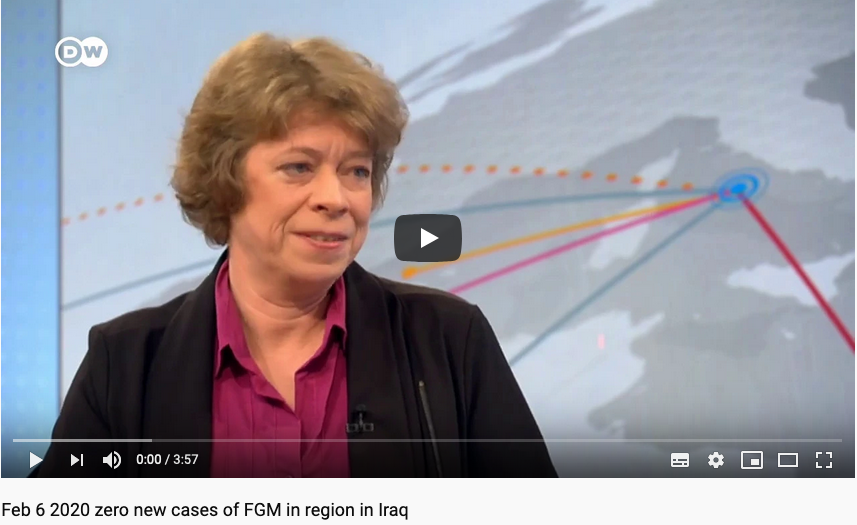
Feb 6: Wadi speaks on DW about what made success in Kurdistan possible
-
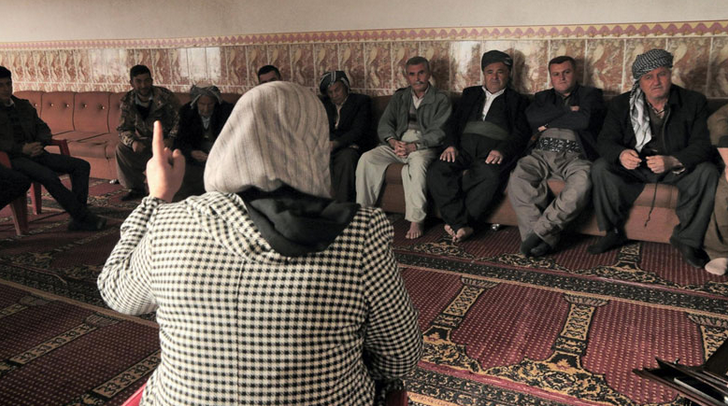
6th of Feb: WADI announces FGM has dropped to zero in highly effected region in Iraqi Kurdistan
-
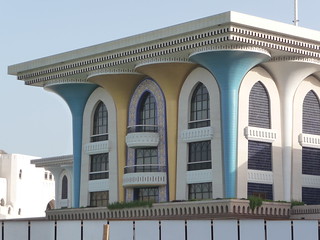
Oman bans unexpectedly Female Genital Mutilation
-
Study finds: FGM is practiced by Saudi women