Home » News by Others (Page 4)
Category Archives: News by Others
News by Others »
-

“The work to combat female genital mutilation begins with trust”
-
Female genital mutilation driven by local customs in southern Iran – study
-
New Report finds Female Genital Mutilation/ Cutting in 94 countries
-
Medicalized Female Genital Mutilation: Faulty Policies, Unwilling Doctors, and Frightened Girls
-
“I lost my baby in front of my eyes”, FGM adds to the tragedies facing Yemeni women
-
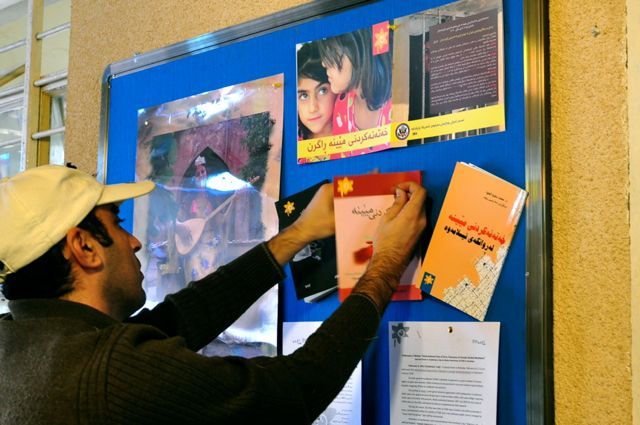
Countering Female Genital Mutilation (FGM) in Iraq
-
Promising developments in Sudan & the United Arab Emirates
In Australia, three Dawoodi Bohras face Supreme Court trial for circumcising their daughters
17.9.2015. By Areefa Johari. Female genital mutilation is illegal in Australia. But in India, where Dawoodi Bohras are the only known community to practice the ritual, there is no law against it. In the first case of its kind for the Dawoodi Bohra community, three Bohras living in Australia are facing a Supreme Court trial […]
DIWA: Nigeria bans Female Genital Mutilation: Shouldn’t India follow suit?
16.9.2015. Nigeria made history by outlawing female genital mutilation. The act falls under the Violence Against Persons (Prohibition) Act 2015 and the bill, which was passed in May was recently enacted into the law. While Nigeria joins hands with a worldwide movement that aims to eradicate the practice from all countries – U.N. eradicated the […]
DW: For some Egyptian women, FGM is not all bad
15.9.2015. By Mai Shams Al-Din. It’s neither a lack of education, nor a religious custom that allows female genital mutilation (FGM) to prevail in Egypt. Three mothers explain their motivation for getting their daughters cut. Living in a village in the south of Egypt, Mounira*, a 47-year-old government employee, remembers her experience with FGM as […]
Foreign Affairs: Under the Knife
27.7.2015. By Christina Asquith Grading Iraqi Kurdistan’s Progress Against Female Genital Mutilation Last month, Nigeria became the most recent African country to formally ban female genital mutilation, a barbaric practice performed on 150 million girls across the world. The move was cheered around the globe, but the celebration was tinged with some reservation. Realistically, most […]
Global Post: ‘I hate it. It hurts’ — Egyptian women talk about sex after female genital mutilation
16.7.2015. By Laura Dean. CAIRO, Egypt — In a small hall in central Cairo, a group of women are gathered around talking about sex. All of them have undergone female genital mutilation (FGM), a procedure that usually causes the victim to take little if any pleasure in sexual intercourse. And many report a familiar problem […]
Radio Free Europe: Radio Farda Wins Gold, Silver At New York Festivals
24.6.2015. WASHINGTON – RFE/RL’s Persian language service was lauded in New York this week as Radio Farda journalist Roya Karimi Majd’s special report “Tradition of the Blade” won a gold award, and Kambiz Hosseini’s weekly show ” Five in the Afternoon” took home a silver award at the 2015 New York Festivals International Radio Program […]
Weekly Standard: Confronting FGM in Iran and Iraqi Kurdistan
17.6.2015. By Irfan Al-Alawi and Stephen Schwartz. Female genital mutilation or cutting (FGM/C) exists in the Islamic Republic of Iran even while the redoubt of clerical dictatorship is absent from a recent survey of FGM in 29 countries, published by UNICEF. The UN agency examined states in Africa and the Middle East. The UNICEF document […]
Rudaw: Kurdish FGM campaign seen as global model
16.6.2015. By Judit Neurink SULAIMANI, Kurdistan Region – The media campaign that helped lead to the 2011 ban on female genital mutilation (FGM) in the Kurdistan Region is being looked to as an example elsewhere in the region, according to the anti-FGM activist behind the plan. Thomas von der Osten-Sacken, general manager of the German-Iraqi […]
Guardian: Female genital mutilation practised in Iran, study reveals
4.6.2015. The first authoritative study into female genital mutilation in Iran has found the practice is being carried out in at least four major provinces while officials are silent on the matter. According to research by social anthropologist Kameel Ahmady released on Thursday, FGM is more prevalent in the southern province of Hormozgan and its […]
Egypt sees drop in female genital mutilation
1.6.2015 Egypt has seen a decrease in the practice of female genital mutilation (FGM) by 13 percent according to a new study conducted by the 2014 Egypt Demographic Health Survey. The survey found that despite the high occurrence of FGM in women between the ages of 15-49 years old (over 90 percent), the practice of […]
Donation
Last Press Statements »
-
Putting the spotlight back on FGM in the Middle East – Wadi at the Women Deliver Conference 2026
-
FGM in Iraq: More research needed after succesful campaign in Kurdistan led to ban of harmful practice
-
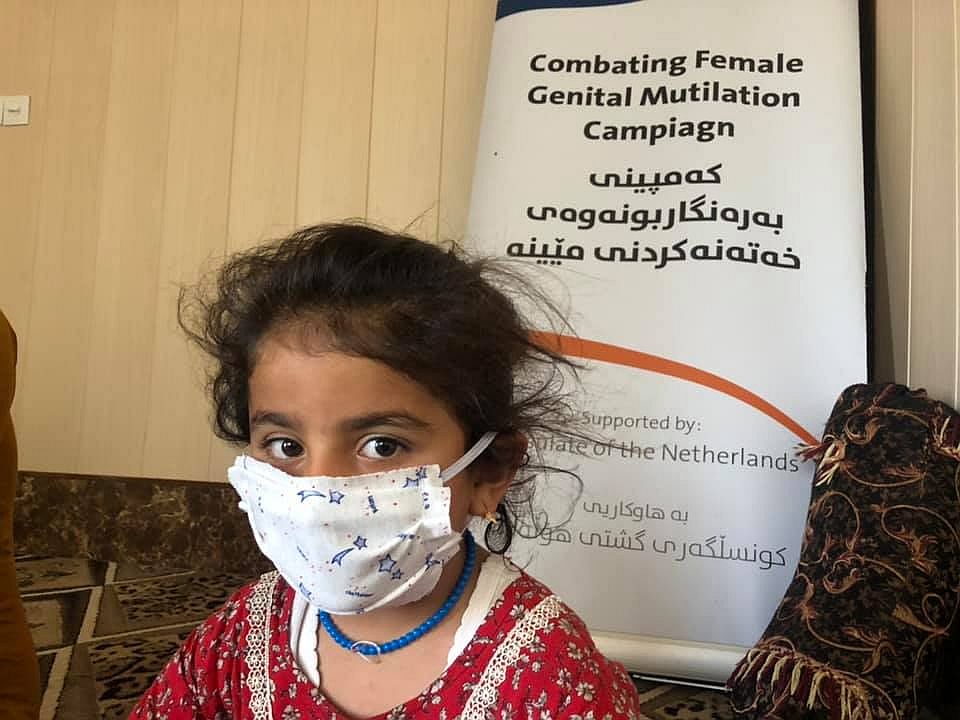
Conference on 6th of Feb: Long-term approach to eradicate FGM in Iraqi Kurdistan yields results
-
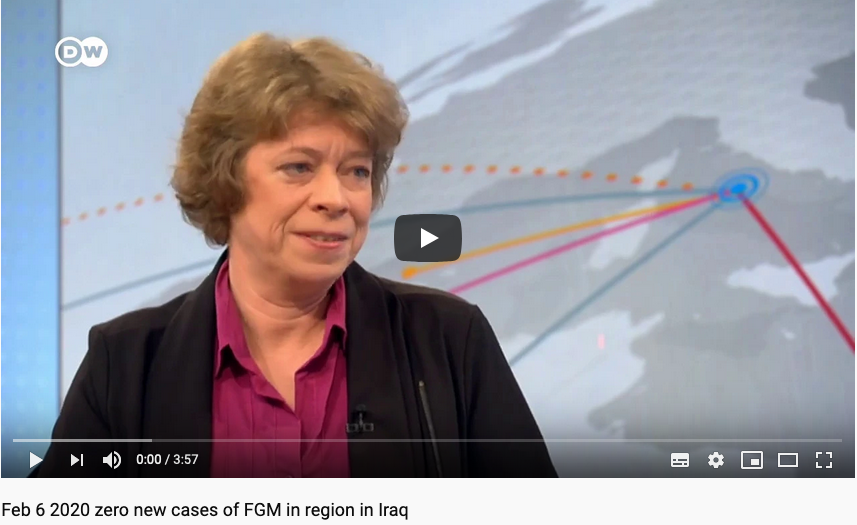
Feb 6: Wadi speaks on DW about what made success in Kurdistan possible
-
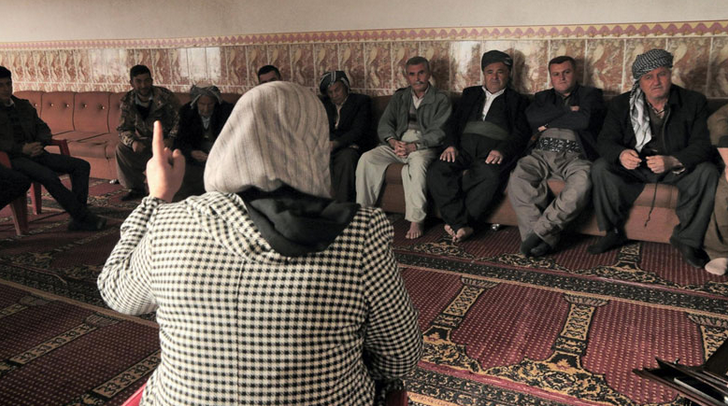
6th of Feb: WADI announces FGM has dropped to zero in highly effected region in Iraqi Kurdistan
-
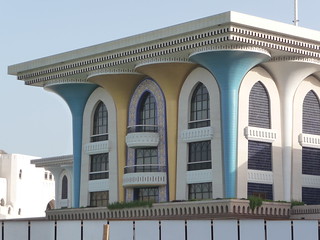
Oman bans unexpectedly Female Genital Mutilation
-
Study finds: FGM is practiced by Saudi women