Home » Posts tagged 'Iraq' (Page 4)
Tag Archives: Iraq
News by Others »
-

“The work to combat female genital mutilation begins with trust”
-
Female genital mutilation driven by local customs in southern Iran – study
-
New Report finds Female Genital Mutilation/ Cutting in 94 countries
-
Medicalized Female Genital Mutilation: Faulty Policies, Unwilling Doctors, and Frightened Girls
-
“I lost my baby in front of my eyes”, FGM adds to the tragedies facing Yemeni women
-
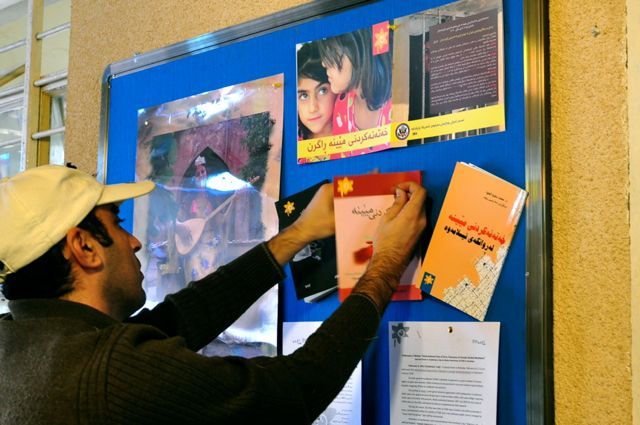
Countering Female Genital Mutilation (FGM) in Iraq
-
Promising developments in Sudan & the United Arab Emirates
Sexual mutilations outside Africa : new report and new denial except the Iraqi case
Sisyphe, 19.12.2013. Interview with Oliver M. Piecha, researcher at Stop FGM in the Middle East by Mirielle Vallette The new summary report of UNICEF still does not dare to address the issue of female genital mutilation in the Middle East and South East Asia. Wadi, an German-Iraqi NGO lobbies to make things change. UNICEF have […]
The Lancet: FGM in the Middle East
13.12.2013. The renown science magazine “The Lancet” acknowledges on its editor’s page that FGM exists beyond Africa. Under the title “Female genital mutilation in the Middle East” Farrokh Habibzadeh affirms: “FGM is mainly practised in Africa but is also done in other regions. For example, the prevalence of this procedure is very high in Iraqi […]
Iraqi Kurdistan fights female circumcision
Deutsche Welle. 9.12.2013. Female circumcision is slowly declining in Iraqi Kurdistan. Years of campaigning and a law against the practise have borne fruit. Some villages went from 100 percent of all young girls being circumcised to none. “Circumcision brought us problems. It is much better for husband and wife when it is not happening.” The […]
Donation
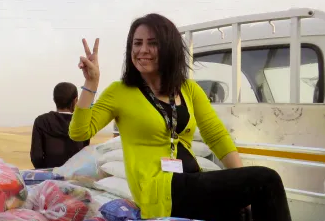
Last Press Statements »
-
Putting the spotlight back on FGM in the Middle East – Wadi at the Women Deliver Conference 2026
-
FGM in Iraq: More research needed after succesful campaign in Kurdistan led to ban of harmful practice
-
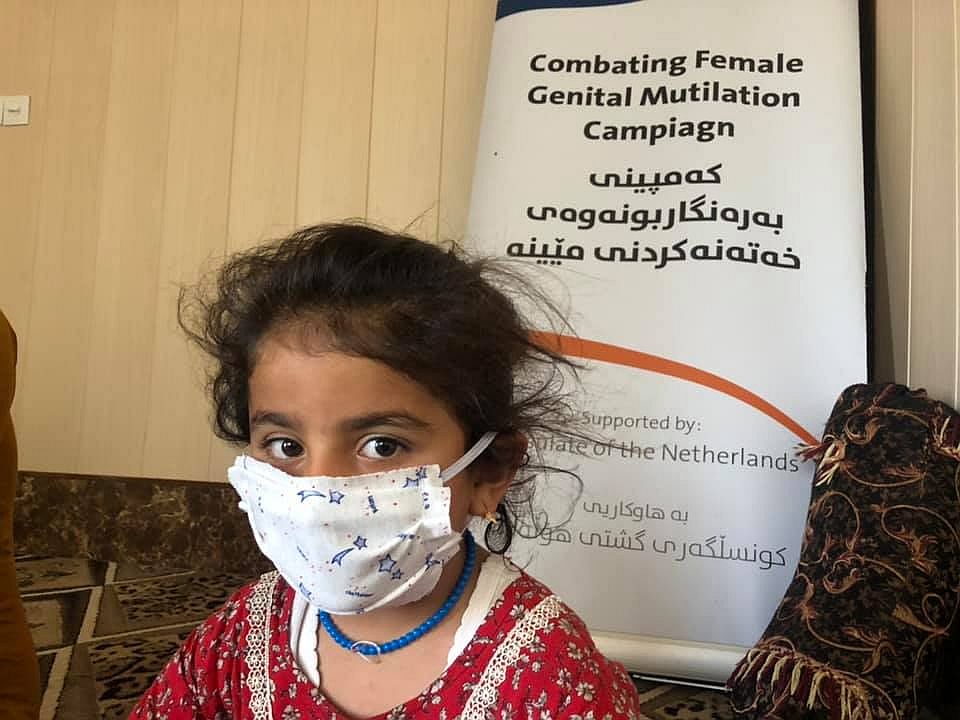
Conference on 6th of Feb: Long-term approach to eradicate FGM in Iraqi Kurdistan yields results
-
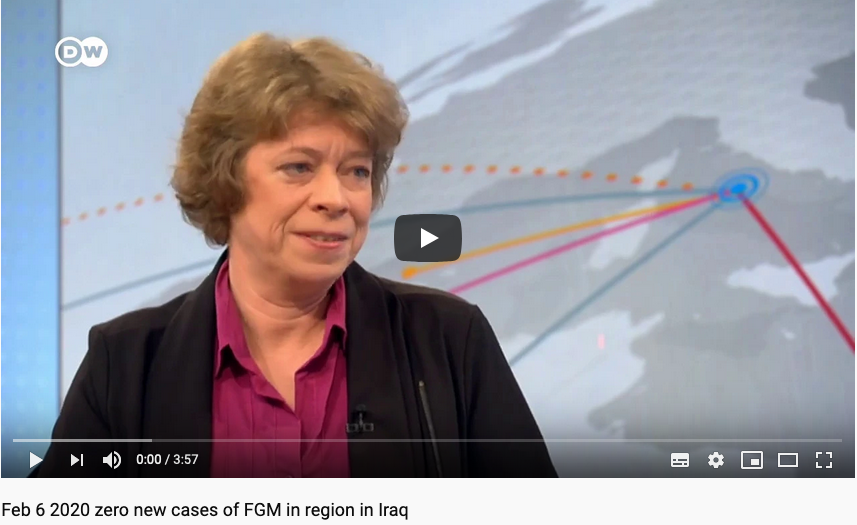
Feb 6: Wadi speaks on DW about what made success in Kurdistan possible
-
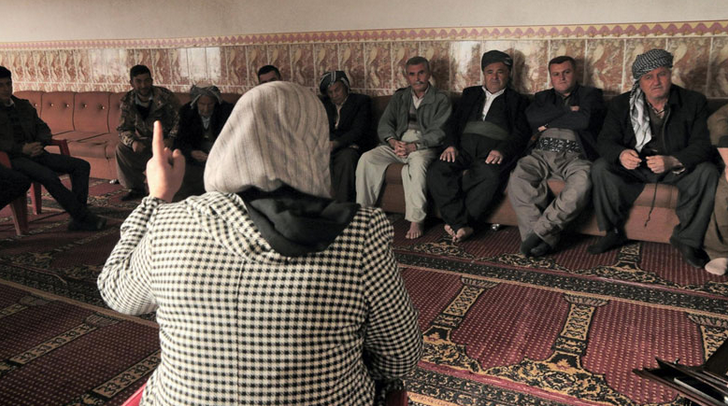
6th of Feb: WADI announces FGM has dropped to zero in highly effected region in Iraqi Kurdistan
-

Oman bans unexpectedly Female Genital Mutilation
-
Study finds: FGM is practiced by Saudi women