Home » Posts tagged 'Oman'
Tag Archives: Oman
News by Others »
-
New study reveals FGM practiced in Kerala, India
-

“The work to combat female genital mutilation begins with trust”
-
Female genital mutilation driven by local customs in southern Iran – study
-
New Report finds Female Genital Mutilation/ Cutting in 94 countries
-
Medicalized Female Genital Mutilation: Faulty Policies, Unwilling Doctors, and Frightened Girls
-
“I lost my baby in front of my eyes”, FGM adds to the tragedies facing Yemeni women
-
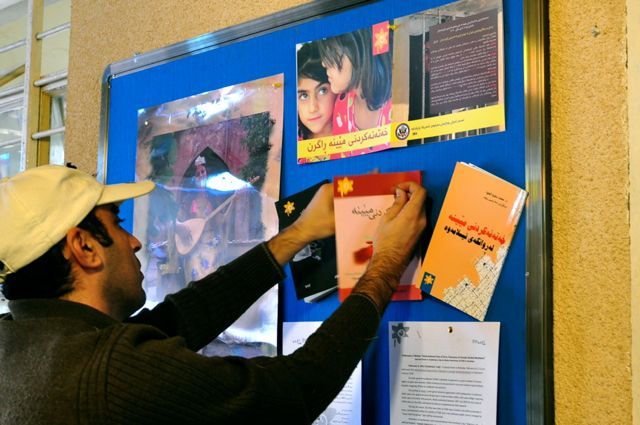
Countering Female Genital Mutilation (FGM) in Iraq
Oman bans unexpectedly Female Genital Mutilation
30.9.2019. Two weeks ago, the Omani Ministry of Social Affairs und Development announced a change in the law protecting children. Now, the convention of the child includes a specific prohibition of female genital mutilation (FGM). This change in law came as a surprise to most observers.
New Study: Almost 100 percent women mutilated in region of Oman – Time to act!
23.8.2018. The newest survey on female genital mutilation (FGM) in Oman bears shocking results: 95,5 percent of women reported to be mutilated. For the survey 200 women of different ages and educational backgrounds were interviewed in the governorate of Dakhiliyah during the last three months of 2017.
FGM: Slow progress when talking to the UN about numbers
5.2.2016, by Stop FGM Middle East UNICEF just came out with new numbers on FGM. Instead of 140 million, the United Nations Children’s fund now estimates the number of women and girls having undergone female genital mutilation worldwide to be at least 200 million. Those extra 60 million come from adding Indonesia to the list […]
Day of Zero Tolerance to FGM: We need more campaigns in Asia
By Stop FGM Middle East February 5th, 2015. On the fifth official International Day of Zero Tolerance to female genital mutilation (FGM), the campaign against FGM in Iraq is taking up speed and with its comprehensive approach already yielding great successes. Newest data shows: FGM can be eradicated in one generation. According to a KAP-Study […]
Yearly Report 2013-14
11.1.2015 by Stop FGM Middle East Stop FGM Middle East was founded as a website and a small research project in early 2013 with the aim of making the existence of FGM in the Middle East and Asia outside of Africa public. In August 2013 we started working with a small team to bring together […]
Revisiting Reza Aslan’s response to Bill Maher about female genital mutilation
21.10.2014. After Reza Aslan called FGM an African Problem, Stop FGM Middle East contacted PunditFact to set things straight. Here is their clarification: “Hannah Wettig, who manages the Stop FGM Middle East campaign for Germany-based nonprofit WADI and Hivos, pushes back on the notion of FGM as an “African problem” and criticized UNICEF’s reliance on […]
Second Middle East & Asia Conference on FGM shows that new strategies are needed
16.5.2014. By Stop FGM Middle East. On May 7th to 10th the Second Middle East & Asia Conference on Female Genital Mutilation (FGM) was held in Istanbul where more than thirty activists and researchers from Iraq, Egypt, Iran, Oman, Saudi Arabia, Malaysia, Indonesia and India met as well as representatives from UNICEF Iraq, Orchid Project (England) […]
Some thoughts on the Istanbul conference on FGM
By Susan Al Shahri, 9.5.2014 I just realized I have not updated this blog for four months and I will not allow myself to feel guilty because my time has been occupied with things that will help my community. I intend to come back to writing as soon as possible once I’m finished with a couple […]
Second Middle East Conference on FGM to tackle myths
Berlin, 30.4.2014. By WADI. The Second Middle East & Asia Conference on Female Genital Mutilation (FGM) by WADI and Hivos will take place from May 7th to May 10th in Istanbul. The conference will tackle two myths about Female Genital Mutilation. It is commonly believed that FGM is mainly practiced in Africa and that it […]
Feb 6th: Many media reports on our work and FGM in Asia
7.2.2014. by Stop FGM Middle East On February 6th, the eleventh international Day of Zero Tolerance to Female Genital Mutilation, a number of media outlets have picked up on the topic of Female Genital Mutilation in Asia. Many non-governmental und international organizations tackling FGM, including the World Health Organization, still don’t mention the existence of […]
The Deepest Cut
Y-Magazin, Oman, 5.2.2014. It’s a practice that is banned in Oman’s hospitals, yet female circumcision is being carried out on babies and young girls across the Sultanate. Y investigates. Report by Kate Ginn The painful memories are buried deep but not forgotten. Muna remembers the voice of her mother calling her. “She was saying ‘I’ll […]
Day of Zero Tolerance to Female Genital Mutilation; Action in Asia is needed
By HIVOS and WADI; The Hague, Suleimania, 5 February, 2014. On the fourth official International Day of Zero Tolerance to Female genital mutilation (FGM), the practice is far from being eradicated. While the numbers of mutilated girls are decreasing in Africa after decades of concerted efforts, large regions where FGM is practiced are entirely […]
In Oman more than 80% of women could be mutilated – Results of a two-week field trip
Stop FGM Middle East, 3.2.2014. By Hannah Wettig Oman is not on the map of countries where female genital mutilation is practiced. Neither the United Nations nor international NGOs have taken notice of FGM in the Gulf region – except Yemen. Yet, there are quite a number of reports about its existence in Oman and […]
New study in Oman shows high prevalance of FGM all over the Country
By Stop FGM Middle East. 22.1.2014. According to a new study from Oman, female genital mutilation constitutes a widespread phenomenon in Oman in all age groups, and among women from all regional and educational backgrounds. Out of 100 women questioned 78 stated to be “circumcised” (they were asekd if had undergone “khatana al banat”). The […]
Mufti of Oman: “We can’t describe it as a crime against women”
By Stop FGM Middle East. 21.1.2014. The Omani human rights activist Habiba Al Hinai send the Grand Mufti of Oman Ahmed bin Hamad Al Khalili an inquiry about the stance of Islam towards FGM. The Mufti of Oman replied in a letter in early December 2013: Circumcision is allowed in Sunnah, and none of the […]
Donation
Last Press Statements »
-
Putting the spotlight back on FGM in the Middle East – Wadi at the Women Deliver Conference 2026
-
FGM in Iraq: More research needed after succesful campaign in Kurdistan led to ban of harmful practice
-
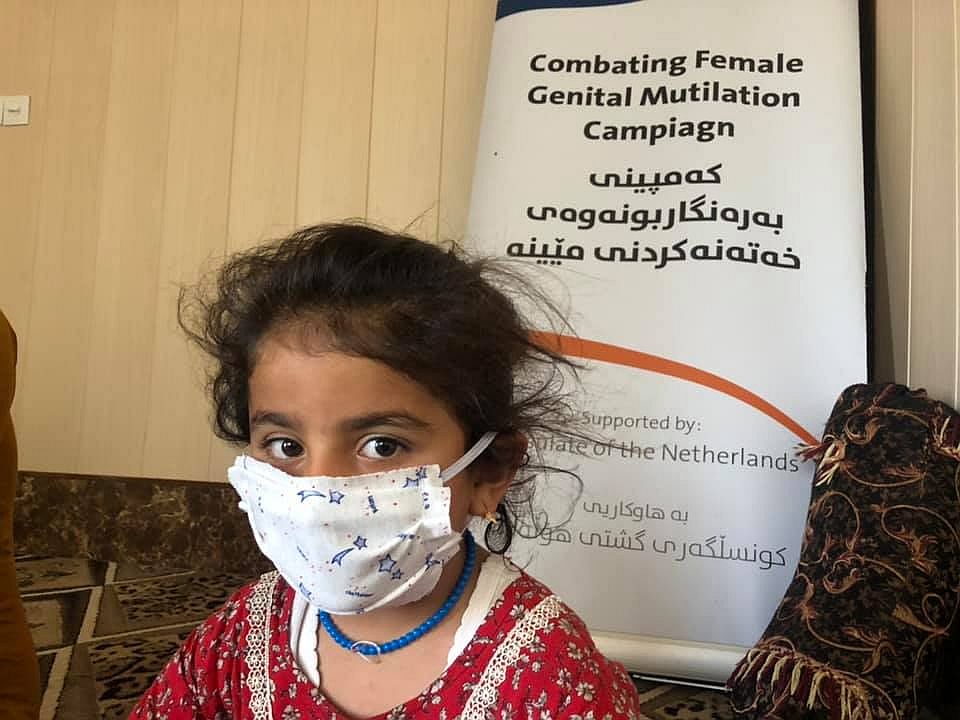
Conference on 6th of Feb: Long-term approach to eradicate FGM in Iraqi Kurdistan yields results
-
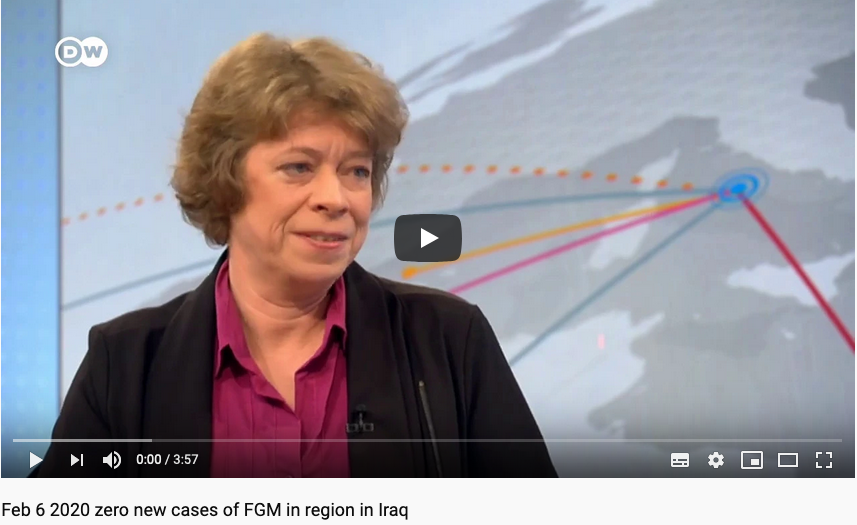
Feb 6: Wadi speaks on DW about what made success in Kurdistan possible
-
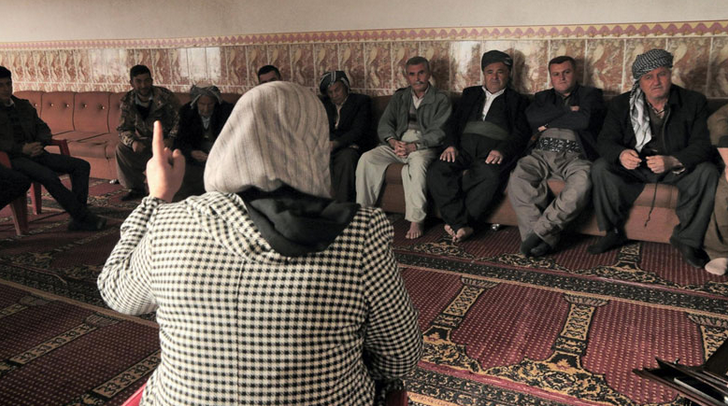
6th of Feb: WADI announces FGM has dropped to zero in highly effected region in Iraqi Kurdistan
-

Oman bans unexpectedly Female Genital Mutilation
-
Study finds: FGM is practiced by Saudi women