Home » Posts tagged 'Iran' (Page 2)
Tag Archives: Iran
News by Others »
-
New study reveals FGM practiced in Kerala, India
-

“The work to combat female genital mutilation begins with trust”
-
Female genital mutilation driven by local customs in southern Iran – study
-
New Report finds Female Genital Mutilation/ Cutting in 94 countries
-
Medicalized Female Genital Mutilation: Faulty Policies, Unwilling Doctors, and Frightened Girls
-
“I lost my baby in front of my eyes”, FGM adds to the tragedies facing Yemeni women
-
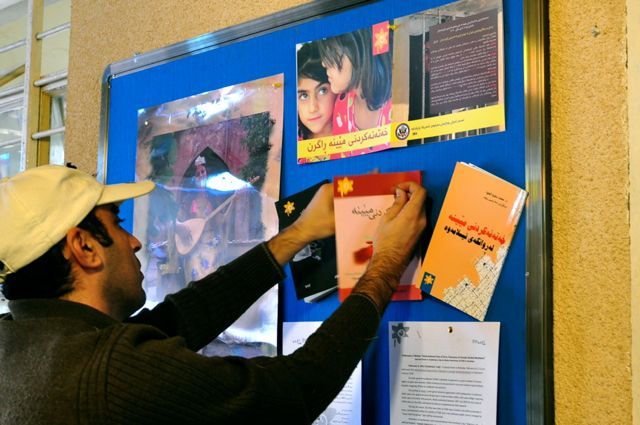
Countering Female Genital Mutilation (FGM) in Iraq
Radio Free Europe: Radio Farda Wins Gold, Silver At New York Festivals
24.6.2015. WASHINGTON – RFE/RL’s Persian language service was lauded in New York this week as Radio Farda journalist Roya Karimi Majd’s special report “Tradition of the Blade” won a gold award, and Kambiz Hosseini’s weekly show ” Five in the Afternoon” took home a silver award at the 2015 New York Festivals International Radio Program […]
Radio program on female genital mutilation in Iran wins New York radio award
24.6.2015. By Stop FGM Middle East. The radio program “Tradition of the Blade” which addresses female genital mutilation (FGM) in Iran won a Gold Medal at the celebrated New York Festival International Radio Program Awards on June 22. The 30-minutes special was aired by Radio Farda, the Iran service of Radio Free Europe/Radio Liberty, on November […]
Weekly Standard: Confronting FGM in Iran and Iraqi Kurdistan
17.6.2015. By Irfan Al-Alawi and Stephen Schwartz. Female genital mutilation or cutting (FGM/C) exists in the Islamic Republic of Iran even while the redoubt of clerical dictatorship is absent from a recent survey of FGM in 29 countries, published by UNICEF. The UN agency examined states in Africa and the Middle East. The UNICEF document […]
Press Statement: FGM in Iran needs to be put on international agenda
9.6.2015. By Stop FGM Middle East. Female genital mutilation (FGM) is practiced in Iran as well as in many other countries not on the list of Unicef highlighting 29 countries in Africa and the Middle East. Now, finally this fact is widely recognized and published in international media after the social anthropologist Kameel Ahmady released […]
Guardian: Female genital mutilation practised in Iran, study reveals
4.6.2015. The first authoritative study into female genital mutilation in Iran has found the practice is being carried out in at least four major provinces while officials are silent on the matter. According to research by social anthropologist Kameel Ahmady released on Thursday, FGM is more prevalent in the southern province of Hormozgan and its […]
Iranian singer about FGM and child marriage
27.5.2015. Watch this heartbreaking video by the Iranian Kurdish singer Chiman Rahmani. Female Genital Mutilation is still practiced on girls in Iran today. It is prevalent in the Southern province of Hormozkhan and in the Western provinces Kurdistan, Kermansheh and some areas of Western Azherbaidshan. Official statistics report thousands of cases of child marriage. Chiman […]
Emirates Women: FGM In The Middle East | Investigating Cutting Customs
28.4.2015. By Lindsey Stevens Emirates Woman investigates the culturally sensitive issue of female genital mutilation, and asks what is being done to put an end to this practice in the Middle East. The preparations have been made. In a makeshift clinic in an old school hall, tables dressed with sheets and pillows serve as hospital […]
Deutsche Welle Persia: Cutting of female genitals
19.2.2015. The Persian program of the German Deutsche Welle recently aired a program about FGM in Iran. In the following we document parts of it (we did not translate some of the general explanations about FGM worldwide): „The results of a survey show that 83% of women on the island Qeschm and 50% of women […]
New publication about FGM in Persian
13.2.2015. A local campaign against female genital mutilation (FGM) in the Iranian provinces of Kermansheh and Kurdistan has started with trainings for women, educating them about the harms of the practice. Now, Osman Mahmoudi and Mohammad Rauf Amini have translated one of WADI’s publication about FGM from Kurdish to Persian.
Weekly Standard: Female Genital Mutilation a Growing Problem in Iran
20.1.2015. by Irfan Alawi and Stephen Schwartz The hideous practice of female genital mutilation (FGM) is neither an exclusively Muslim nor a principally Middle Eastern phenomenon. It exists among non-Muslims through wide areas of Africa. But in Iraq and Iran, FGM is mainly associated with Kurds. The Kurdish Regional Government (KRG) in Iraq, which is […]
Yearly Report 2013-14
11.1.2015 by Stop FGM Middle East Stop FGM Middle East was founded as a website and a small research project in early 2013 with the aim of making the existence of FGM in the Middle East and Asia outside of Africa public. In August 2013 we started working with a small team to bring together […]
Iranian Film tackles Female Genital Mutilation
15.12.2014. By Stop FGM Middle East. The short film “Almond” tells the story of Awat a young Kurdish woman in Iran who is struggling with the consequences of female genital mutilation (FGM). When she has to marry, she stops talking entirely which soon becomes the main subject of the village talk. The director Mokhtar Masoumian […]
FGM in Iran: Blade of Islam or patriarchal custom – an interview with scholars, activists and survivors
4.12.2014. by Stop FGM Middle East. The Iranian “Radio Farda” aired a 30-minutes special on female genital mutilation (FGM) happening in Iran on November 25th. It is the first time, that a radio in Iran tackles this topic and the journalist Roja Karimi Majd does so with great insight and her interviewees answer in remarkable openness. […]
Revisiting Reza Aslan’s response to Bill Maher about female genital mutilation
21.10.2014. After Reza Aslan called FGM an African Problem, Stop FGM Middle East contacted PunditFact to set things straight. Here is their clarification: “Hannah Wettig, who manages the Stop FGM Middle East campaign for Germany-based nonprofit WADI and Hivos, pushes back on the notion of FGM as an “African problem” and criticized UNICEF’s reliance on […]
Tackling FGM in Iran: Education about FGM during life skill classes for housewives
5.8.2014. By Osman Mahmoudi The Hamraz Consulting Center, Training Provider in Javanrood is offering classes for housewives to teach them life skills. During these classes Mahmoudi Osman manager of the center talked about physical, psychological and sexual symptoms of FGM. Increased knowledge and awareness about actions such as circumcision is helpful and beneficial in preventing […]
Donation
Last Press Statements »
-
Putting the spotlight back on FGM in the Middle East – Wadi at the Women Deliver Conference 2026
-
FGM in Iraq: More research needed after succesful campaign in Kurdistan led to ban of harmful practice
-
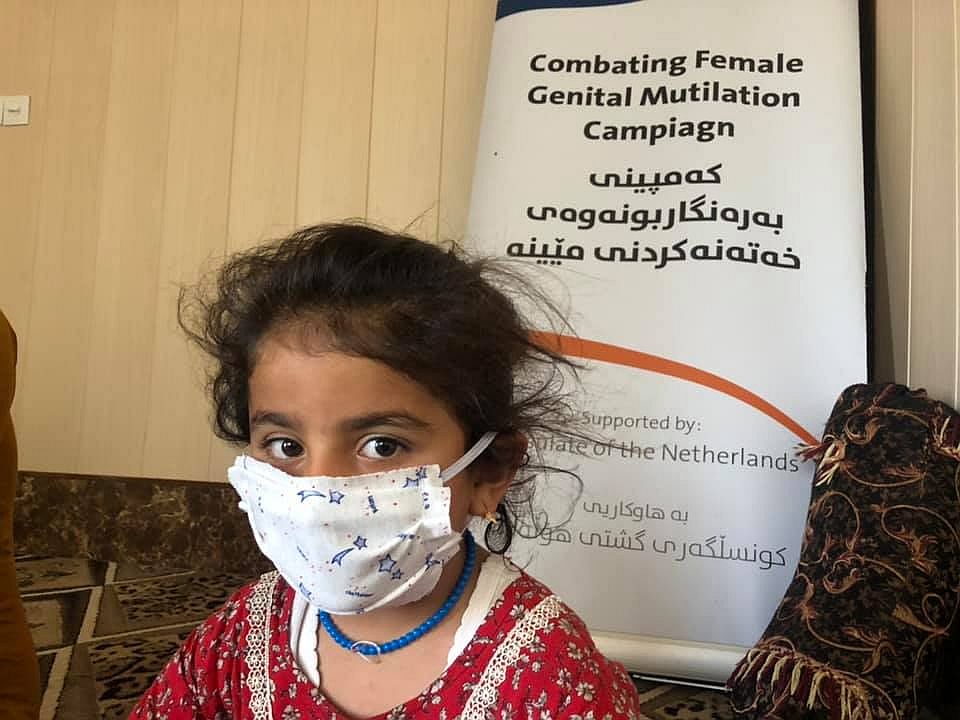
Conference on 6th of Feb: Long-term approach to eradicate FGM in Iraqi Kurdistan yields results
-
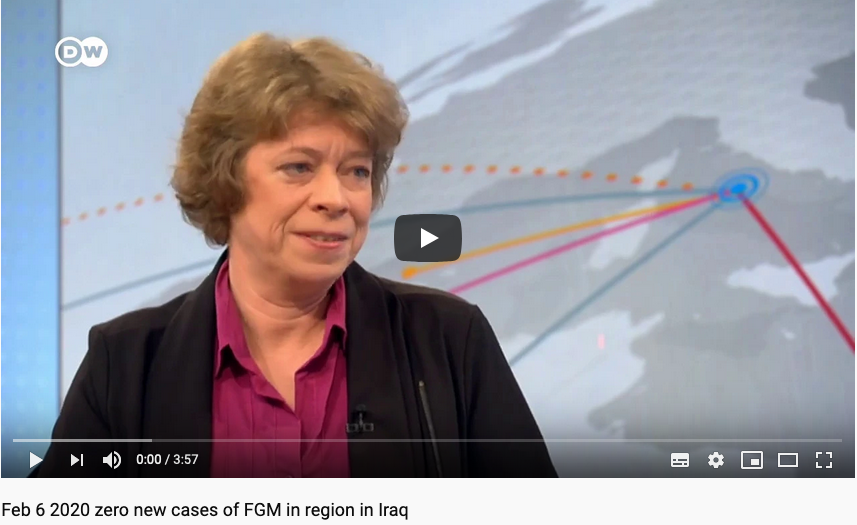
Feb 6: Wadi speaks on DW about what made success in Kurdistan possible
-
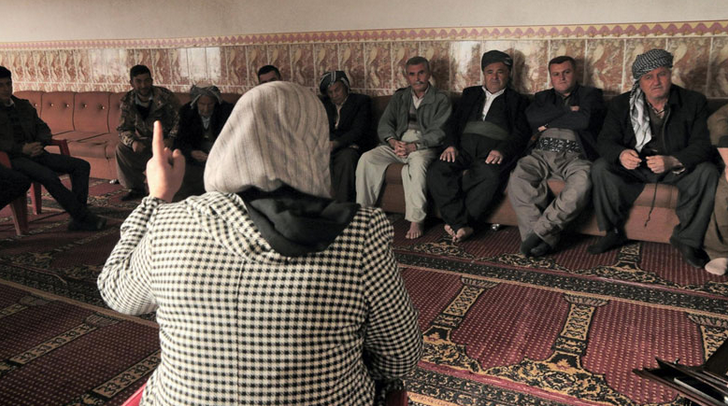
6th of Feb: WADI announces FGM has dropped to zero in highly effected region in Iraqi Kurdistan
-
Oman bans unexpectedly Female Genital Mutilation
-
Study finds: FGM is practiced by Saudi women